


Tourism and hospitality branding is so much more than a logo. Here’s how to create a brand that guests remember, recommend, and return to.
Can you think of a brand you’re irrationally loyal to—one you stuck with not because it was the most practical, but because it made you feel something?
For me, that brand was Jeep.
We have a home base in Costa Rica, and for years, we drove a soft-top Jeep—which, during the rainy season, is just about the least practical vehicle you could own. When those tropical downpours hit, it felt like the sky cracked open—rain hammering the windshield, thunder echoing through the jungle, and the wipers barely keeping pace.
But when the sun was out, the top was down, and the surfboard was in the back? That felt like freedom. And that’s exactly why we kept this Jeep for so long.
Because our car wasn’t just a vehicle. It was an identity. It made us feel adventurous, untamed, and free-spirited—values that mattered to us.
And that’s the power of branding.
A strong brand creates emotional connection. It gives people something to feel and a reason to come back. When it resonates, it doesn’t just reflect your business—it reflects your guest’s identity. That’s what makes it memorable, and that’s how you build an unforgettable tourism brand.
What is travel & hospitality branding?

Branding isn’t your logo or your tagline. It’s a set of associations—reinforced consistently across every part of the guest journey.
That’s what creates not just recognition, but loyalty. When branding is done right, guests don’t just remember you—they feel something about you. And that feeling keeps them coming back.
There’s a line from Deb Gabor’s brilliant book Branding Is Sex that captures this perfectly:
“When you get branding right, you create irrational loyalty—a condition where people are so bonded to your brand, they would feel like they’re cheating on you if they went somewhere else.” — Deb Gabor, Branding Is Sex
Here’s the truth: Most businesses in travel and hospitality have never been taught what branding actually is.
They think it’s design. Or messaging. Or visual consistency. And yes, those things matter—but only when they’re grounded in something deeper. Because branding isn’t how you look. It’s how people feel about your business. It’s the emotion they associate with your name, the tone they expect when your team speaks, and the story they tell when they recommend you to a friend.
So how do you actually build that kind of travel and hospitality brand?
That’s where most hospitality owners get stuck. Because brand-building has always been talked about in the context of global corporations—not boutique hotels, small teams, or owner-led tour companies.
Here’s our 7-part framework for building a brand that doesn’t just look good, but feels right, sounds consistent, and sets you apart in a space increasingly crowded with travel clichés and AI-generated sameness.
The 7-Part Framework for Tourism & Hotel Branding Success
You don’t need a million-dollar campaign to create unforgettable tour or hotel branding.
What you need is a clear, consistent experience—one that reinforces strong associations from your website to your welcome, your emails to your excursions.
Download our FREE workbook:
The Secrets to Building an Unforgettable Hospitality Brand
A proven 7-step framework with actionable exercises to build a brand that converts.
Step 1: Research Your Competition
Your guests aren’t choosing your business in a vacuum. They’re comparing you—consciously or not—to every other option in your category.
Whether you run a boutique hotel, a culinary tour, or a wilderness retreat, you’ve likely built something thoughtful, original, and well-executed. But your ideal guest doesn’t experience that upfront. What they see first—online or in search results—are brands that often sound interchangeable.
If you haven’t taken a close look at how others in your space are positioning themselves, you may be echoing the same language without even realizing it.
Understanding the landscape isn’t about comparison. It’s about intention. It’s what allows you to step back, spot the patterns—and break them with purpose.
Let’s say every luxury ecolodge in your region markets itself as “where luxury meets nature.” That phrase might have been compelling once. Now it’s just expected. So how can you go deeper? What kind of nature? What expression of luxury? Is it slow, spacious, off-grid, design-led? Is it barefoot simplicity or five-course tasting menus in the forest?
This step is about identifying what’s overused—and choosing to say something sharper, clearer, and more distinctly yours.
We’ve said it before and we’ll say it again: this matters now more than ever.
With AI-generated content flooding websites, itineraries, and ads, a unique brand identity isn’t just a nice-to-have. It’s what ensures your message actually reflects the quality of the experience you’ve worked so hard to build.
Action Steps:
Pull up three of your competitors’ websites. Look closely at their hero images—the main photo and headline on the homepage.
Do you look and sound similar? Would a guest be able to tell the difference between your offering and theirs—without having to dig? What could you say or show that sets you apart, while still staying true to your ethos?
Step 2: Identify Your Brand Champion
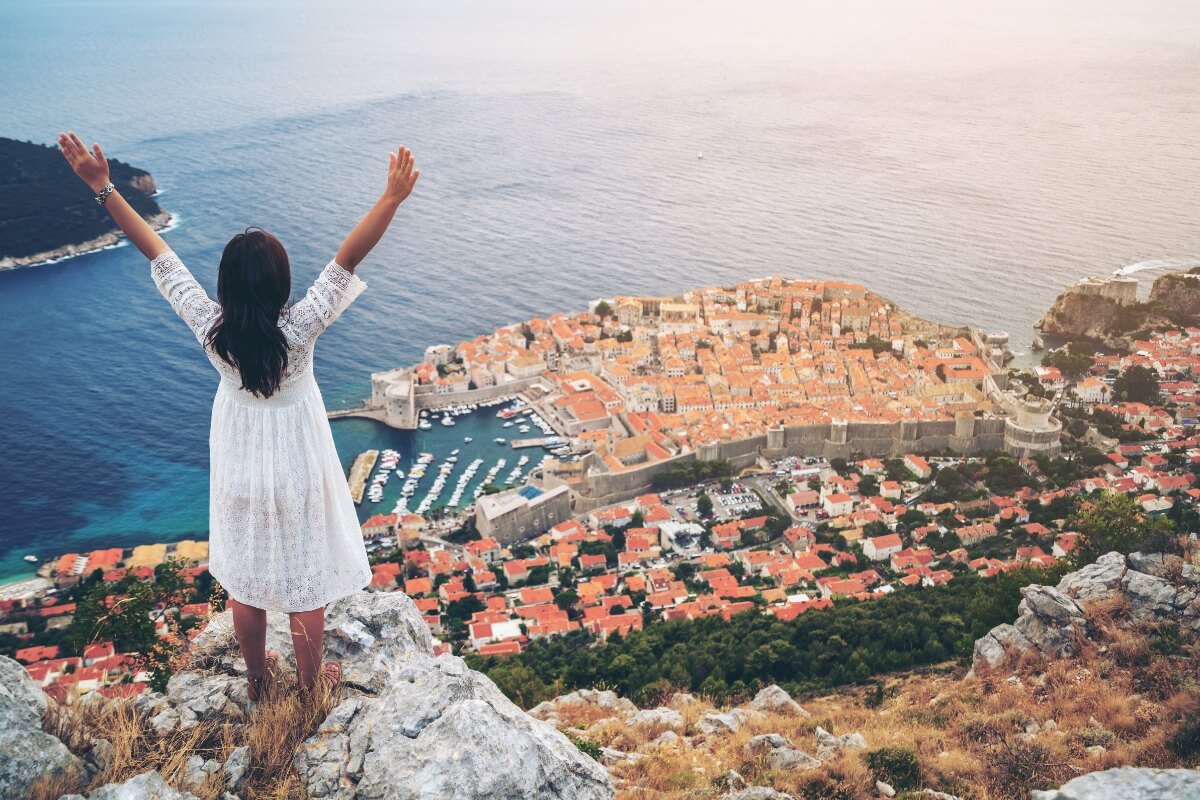
Your brand isn’t for everyone. It’s for a specific kind of guest—someone who connects with the purpose behind what you offer, and is drawn to the kind of experience only you can deliver.
Demographics alone won’t get you there. You need to understand what your ideal guest is seeking on an emotional level.
Are they craving connection? Escape? Prestige? Do they want to feel relaxed, inspired, accomplished, grounded?
What does choosing your brand say about them—who they believe they are, or who they want to become?
When you know the answer to that, everything gets easier. Your messaging becomes sharper. Your visuals become more focused. Your guest experience becomes more intentional.
This isn’t about narrowing your reach. It’s about deepening your relevance to the right people.
Action Steps:
Ask yourself: What does it say about someone when they choose my business over another?
Write down three words or qualities your ideal guest wants to feel when they book with you (before, during, and after their stay.)
Step 3: Clarify Your Brand Values

We’ve seen it over and over again: words like sustainability, excellence, or authenticity scrawled on a website or pinned to an office wall. But values don’t mean anything unless they’re embodied.
Your values should shape how your business shows up in the world. They should influence how you treat your guests, your team, and your community. If your staff doesn’t understand your values, they can’t be expected to uphold them—and that disconnect shows.
We love Alex Cattoni’s approach to brand values: define them in three layers—for your customer, for your company, and for your community. This gives your values real dimension and purpose; it’s how you serve, how you operate, and how you lead.
Let’s say trust is one of your core values. That shouldn’t just show up in a staff handbook—it should be felt in how your team responds in real time.
For example, if a guest mentions an issue with their room or a delayed pickup, your concierge doesn’t need to escalate it up the chain. They’ve been trained to listen, empathize, and take thoughtful action—whether that’s offering a solution on the spot or following up personally to make it right.
That kind of empowerment builds trust on both sides. The guest feels genuinely cared for, and your team knows they’re trusted to lead with judgment—not scripts.
Action Steps:
Get your team together and identify three to five values your brand actually lives by. Then, for each one, write down how it shows up in your guest experience, your internal culture, and your community relationships.
Finally, look for one internal policy or guest touchpoint that could better reflect one of those values—and make a plan to adjust it.
4. Define What You Stand For (and Why It Matters)

Before you can create clear, compelling messaging—or confidently differentiate yourself from competitors—you need to be crystal clear on what your business stands for.
This is the foundation of your brand positioning. It starts with three deceptively simple questions:
1. Why do you exist?
2. Where are you headed?
3. What makes your offer uniquely valuable?
These become the basis for your mission, vision, and USP (Unique Selling Proposition). When answered clearly, they give shape to your messaging, your services, your marketing, and your internal culture.
Mission:
Why does your business exist? This isn’t about what you sell. It’s about what you’re here to create or change—for your guests, your destination, or your team.
Example: To provide immersive and authentic walking tours that showcase the rich history and breathtaking landscapes of Ireland.
Vision:
Where does your business aspire to go?
This is the future you’re working toward—the reputation you want to build and the role you want to play in your market or community.
Example: To become Ireland’s leading walking tour provider, known for offering unique, culturally rich experiences that connect travelers deeply with Ireland’s heritage, communities, and natural beauty.
USP:
What is your unique benefit or value?
Your USP should capture what makes your offering not just different, but distinctly more valuable to your ideal guest.
Example: Our master storytellers bring legends to life with fascinating tales of ancient lore along each and every trail.
Action Step:
Write one sentence for your mission, vision, and USP. Then ask yourself: Would someone seeing this for the first time immediately understand what makes us different—and why it matters?
Always remember you want to create strong associations that make your target audience feel something.
Step 5: Craft a Brand Story That Connects

In a crowded market, story is what helps your brand feel human. It creates empathy, builds relevance, and invites guests into something more than a transaction.
This isn’t about drafting a founder bio or writing a dramatic origin tale. It’s about creating a simple, thoughtful narrative that expresses your perspective and makes your brand feel grounded and real.
As Donald Miller writes in Building a StoryBrand, “Your brand story isn’t about you. It’s about how you solve your customer’s problem.”
Maybe it starts with a place: a remote coastal village, a historic family home, a favorite trail Maybe it begins with a frustration—what you wished existed but couldn’t find. Maybe it’s about the experience you wanted to create for others: a slower pace, a deeper connection, a certain kind of joy that can’t be faked.
Whatever your entry point, the goal is the same: to give people a reason to care—and a lens through which to understand what makes your brand different.
Action Step:
Write a short version of your brand story: 3–5 sentences that reveal what inspired your business and what makes your approach uniquely yours.
6. Translate Your Brand Position into a Cohesive Visual Identity
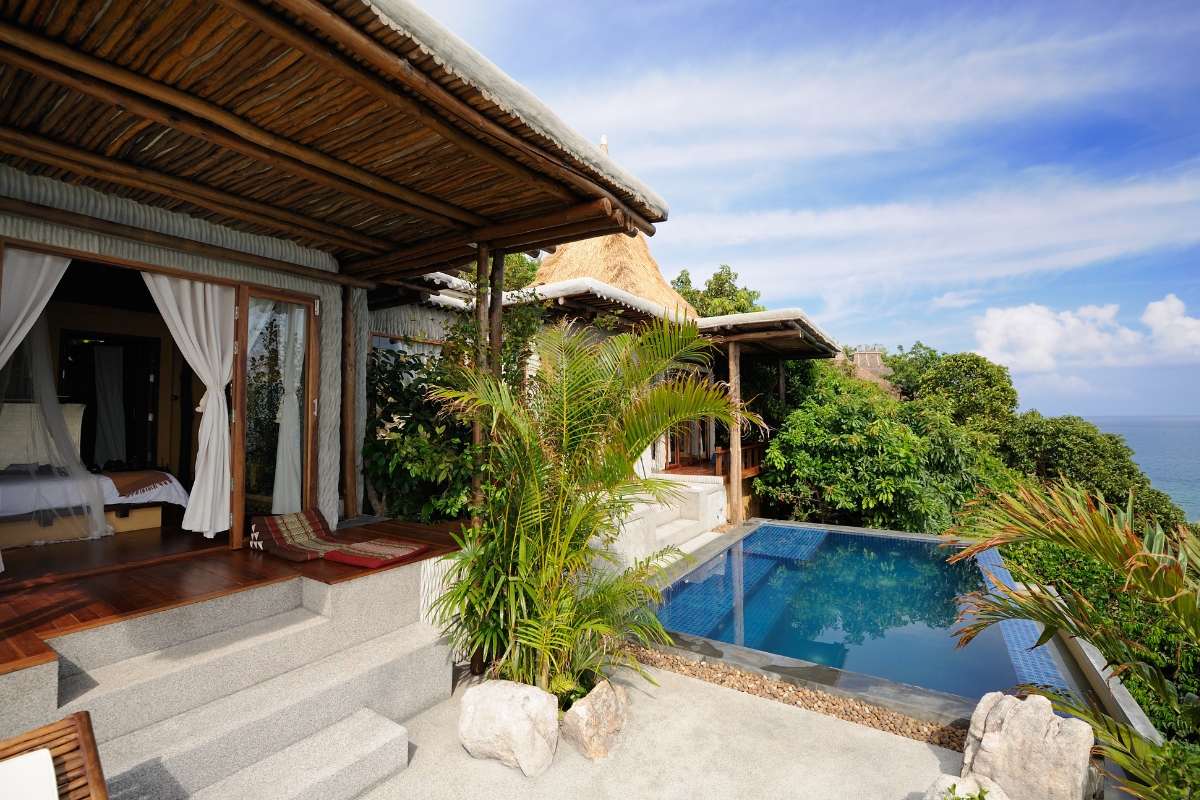
Once you’ve clarified your voice, values, and positioning, your visual identity becomes the bridge between that internal clarity and the external perception of your business. This is where hospitality branding and design comes into play.
That includes visual elements like your logo, color palette, and typography—but also how you use space, imagery, and design to express the tone of your brand. These elements work together to signal who you are before a single word is read.
Nowhere is this more important than in travel photography.
For travel and hospitality brands, strong visuals aren’t optional. They shape perception, drive desire, and help guests imagine themselves in your world. The right images reflect your perspective, highlight what makes your experience unique, and create emotional alignment before anyone clicks “book.”
If your imagery could belong to any business in your category, you’re missing an opportunity. Guests aren’t just looking for “beautiful”—they’re looking for believable. For texture. For cues about what it feels like to be in your space or on your trip.
Action Step:
Your tourism website is where every element of your brand—voice, visuals, and positioning—comes together in one place. It’s the clearest expression online of who you are and what guests can expect.
It’s also your most important salesperson. Your tourism website works around the clock, handling first impressions, setting expectations, and guiding potential guests toward booking.
How confident are you that your website is pulling its weight—and clearly communicating your brand?
We offer free brand-aligned website audits for hospitality businesses so you can evaluate where your site is working, where it’s holding you back, and how to improve it for impact and conversions.
Get your free website audit today.
7. Bring Your Brand to Life at Every Guest Touchpoint – The Importance of Branding
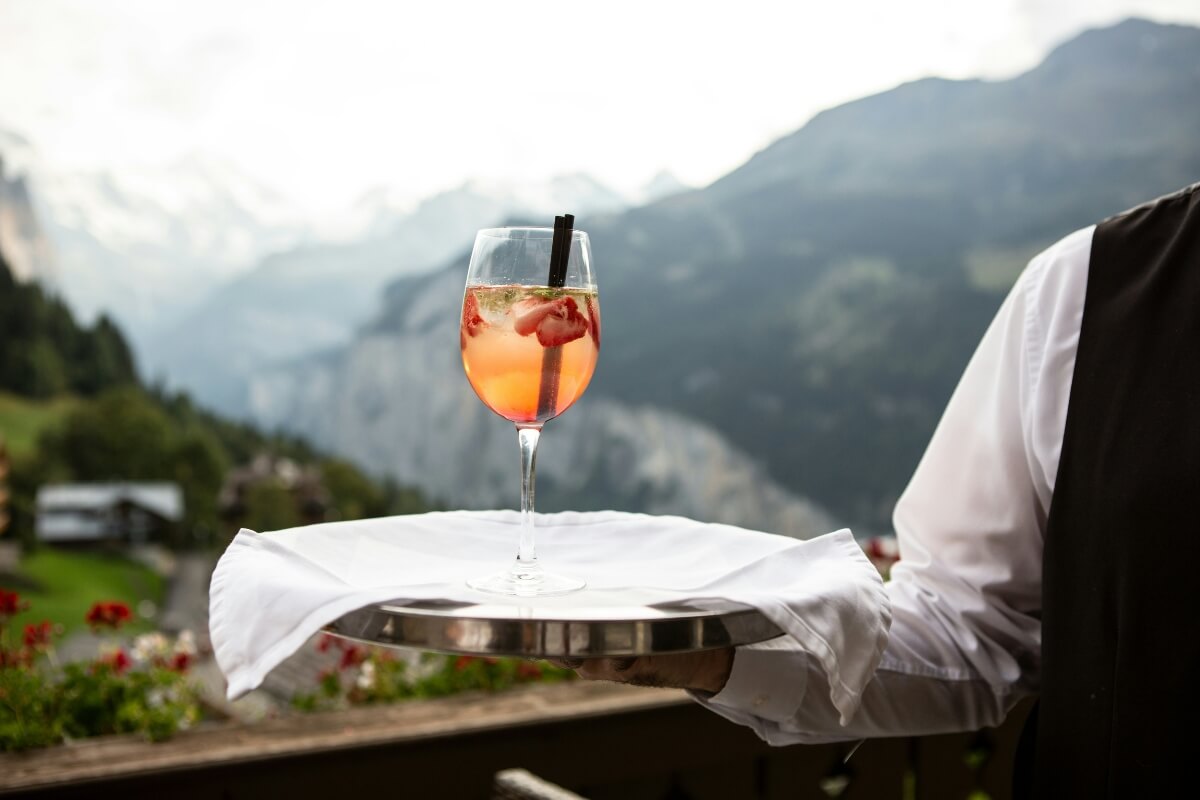
Once your strategy is in place, your job is to make sure your brand shows up consistently in the guest experience. That includes the obvious moments—check-in, tours, service recovery—but also the subtle ones: how you follow up, how you say thank you, how your staff communicates tone and attention.
Every guest-facing interaction is an opportunity to build trust, reinforce your positioning, and deliver on the promise your brand makes.
And the details matter. Not just in quality—but in alignment.
Is the language in your tour narration consistent with the tone on your website? Does your email signature or in-room welcome feel like it belongs to the same brand? Are your staff empowered to deliver thoughtful service in a way that feels personal, not scripted?
These small, repeated signals shape how guests perceive your business—and whether they trust it.
Action Step:
Choose three key guest touchpoints—before, during, and after their stay or experience. For each one, review how your brand shows up. Then, pick one to improve this month. Whether it’s rewriting your confirmation emails, updating a service script, or refreshing your welcome materials, make sure it reflects your brand clearly and consistently—so guests feel confident, cared for, and aligned with your experience.
Let’s Turn Brand Clarity Into Hospitality Growth
For more than a decade, we’ve helped travel and hospitality businesses on six continents grow their bookings, strengthen their online presence, and build real brand recognition.
Through our signature DRIVE™ method, we combine brand strategy, high-performing websites, and results-driven tourism marketing—so you can stop second-guessing your tourism marketing and finally see the results you want.
If you’re ready for a website and marketing strategy that reflects the quality of your experience and delivers reliable revenue—we’d love to help.
Connect with our tourism marketing and branding agency today.